Annette Haywood
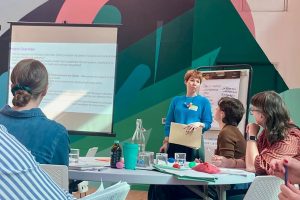
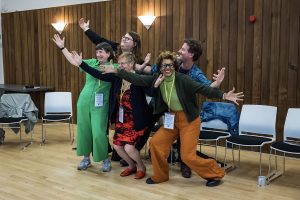
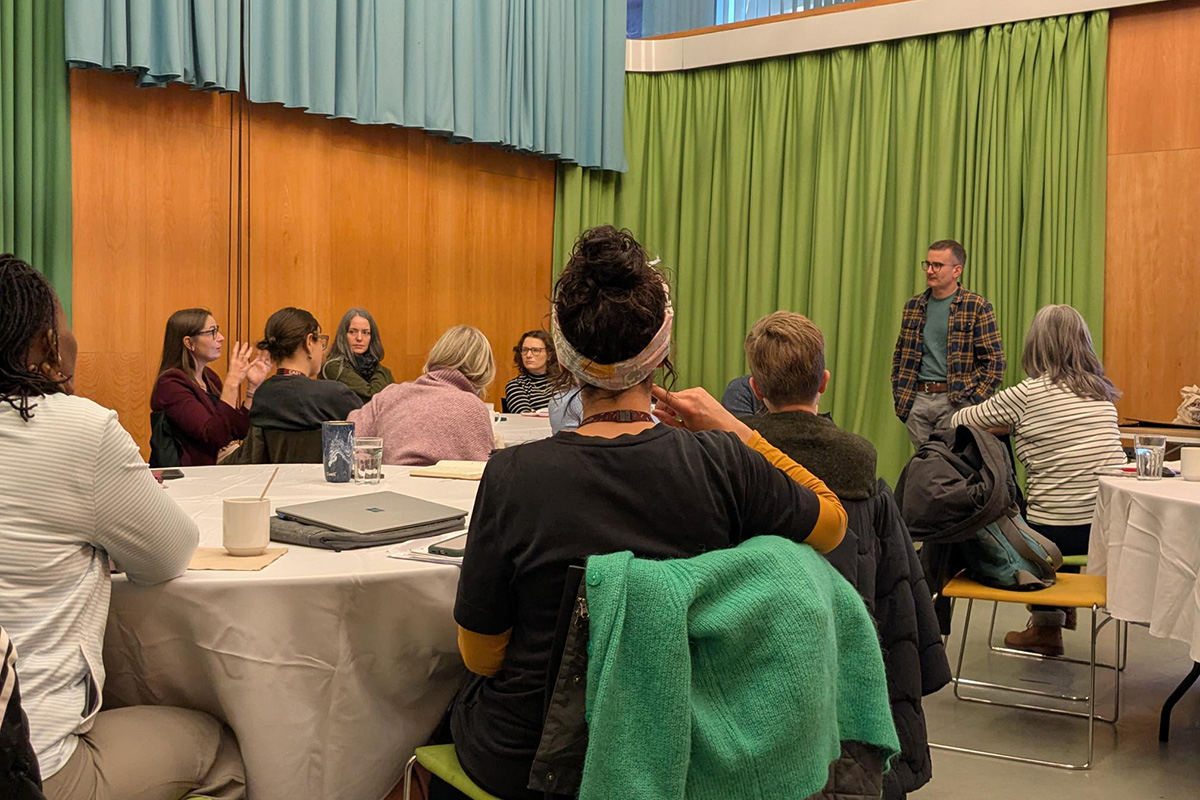
On 23rd October, we welcomed 35 participants from a range of organisations including the City of Doncaster Council, DARTS, CAST, Sheffield Hallam University, University of Sheffield, Doncaster HDRC, Well Doncaster and Heritage Doncaster, to our capacity building and information sharing workshop focusing on understanding health inequalities and the role that creativity can play in improving health and wellbeing.
The workshop was held in Doncaster Cast’s Dance Space, a befitting setting in which to discuss creative health. Participants commented:
‘I really enjoyed the combination of presentations, it gave a well-rounded view on health inequalities’
‘I found the Creative Health Day to be interesting, informative, and highly engaging. It was a valuable opportunity to connect with other professionals working across academia, healthcare, frontline services, and the arts, and to share insights and ideas about the role creativity can play in improving health and wellbeing’
‘I found it really useful and thought the range of presentations was engaging’
We enjoyed three excellent presentations, starting with Professor Chris Dayson, Principal Investigator of the Creative Health Boards project. Chris discussed some of the challenges and critiques of creative health in relation to health inequalities, highlighting some of the key research in this area. Whilst cautioning against viewing creative health as solution to health inequalities on its own, and overly individualised ideas of behaviour change, he also offered some hope about could be possible based on what we are learning through our research in Doncaster. One participant said:
‘I found it really interesting – particularly the critical responses to the creative health review’
This was followed by Kelly Mackenzie and Richard Woodhouse with an interactive and thought-provoking session on what it means to be a health inequalities champion. This session provided participants with an introduction to health inequalities and the wider determinants of health and highlighted a range of statistics from the national data which they juxtaposed with the landscape across Doncaster. Our participants said:
‘Some of the statistics relating to Doncaster were stark and thought-provoking, highlighting the real challenges faced within our communities’
‘Kelly and Richard’s presentation was very effective in articulating the multiple ways in which health inequalities are manifested. That the average reading age in Doncaster is 9 has stuck with me in particular’
The session included a ‘spin the wheel’ activity, which prompted a lively discussion on how health inequalities impacted the lives of two babies from very different socio-economic backgrounds who happened to be born on the same day (Cassie and Arran).
‘The gamification added a light-hearted element to what was very sobering at times’
Finally, Thahmina Begum (Artist-Researcher and Art Psychotherapist based at Sheffield Hallam University) delivered a fascinating presentation on the role of creative health in addressing health inequalities in ethnic minority communities and the associated benefits, challenges, and barriers. Thahmina started with an icebreaker which explored the everyday unconscious bias, which are stereotypes, and prejudices that help us make sense of the information we are exposed to in our daily lives.
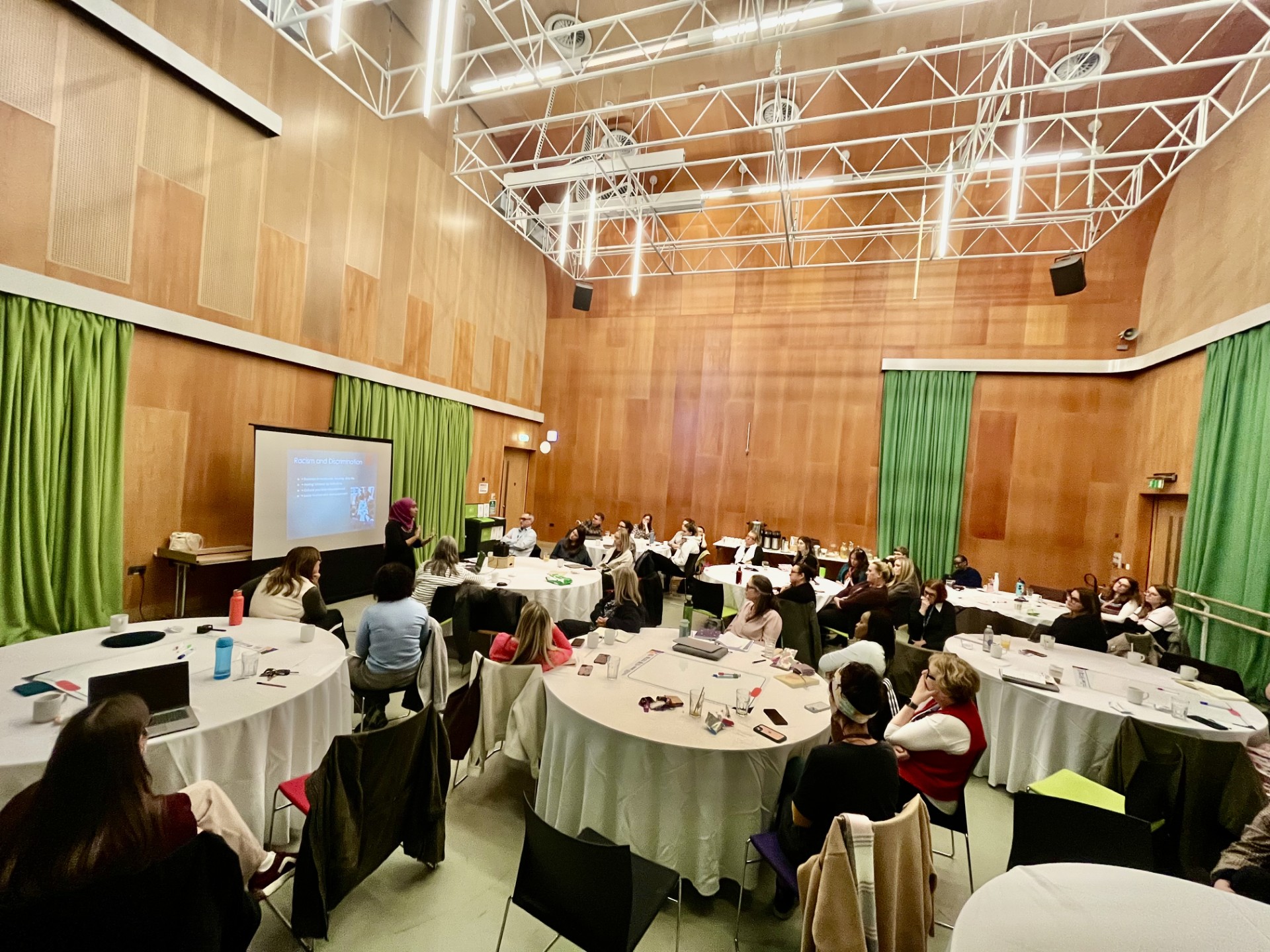
‘Thamina’s presentation was very engaging and explained very well how theory is applied in practice, and the specific barriers for some communities’
To complete the morning, our round table discussion asked participants to reflect on what the term ‘health inequalities’ meant to them, what they were already doing to address health inequalities in their area of work and what could they potentially do more of going forwards.
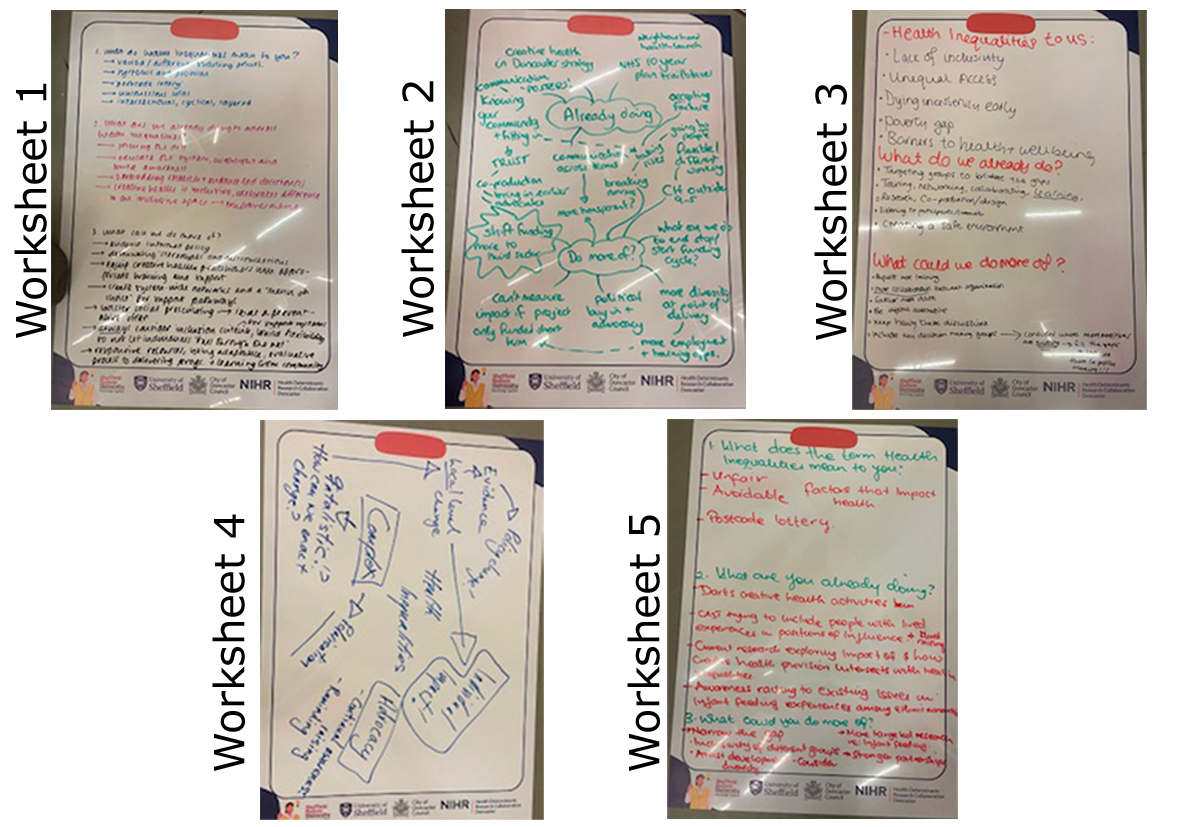
In relation to the question ‘What does the term Health Inequalities mean to you’ the following answers were given:
- Variation in health outcomes
- Impact of social determinants
- Avoidable differences in health
- Access to services
- Health literacy
- Socio-economic factors
Whilst when groups were asked ‘What are you already doing to address health inequalities in your area of work?’ the following answers have been summarised:
- Community engagement
- Education and awareness
- Partnership working
- Targeted interventions
- Data monitoring
- Addressing barriers
When people were asked ‘What could you do more of?’ they suggested:
- Increase outreach
- More education and training
- Improve access to services
- Address social determinants
- Reduce avoidable differences
In summary, the quote from this participant really sums up the day
‘The day has given me a renewed sense of commitment and purpose to continue developing this work within my own organisation and to advocate for the power of creativity in supporting people’s health and wellbeing … and strongly evidenced the need for creative health interventions now more than ever’
For further information, please contact our contributors.
Cite this article:
Haywood, A. (2025, November 21). Health Inequaities Workshop. Creative Health Boards. https://doi.org/10.7190/chb.2025.1164012485