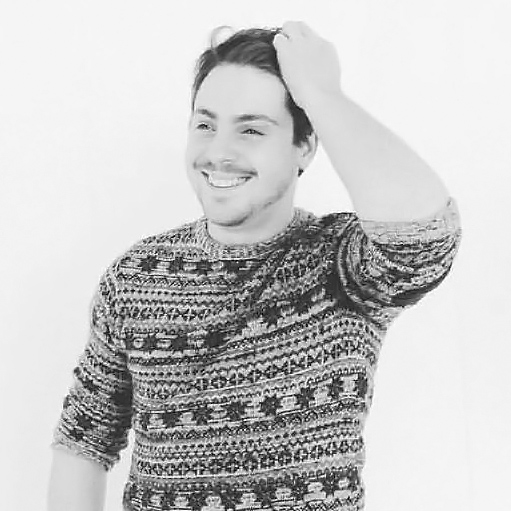
Dave Cartwright, darts Creative Health Connector.
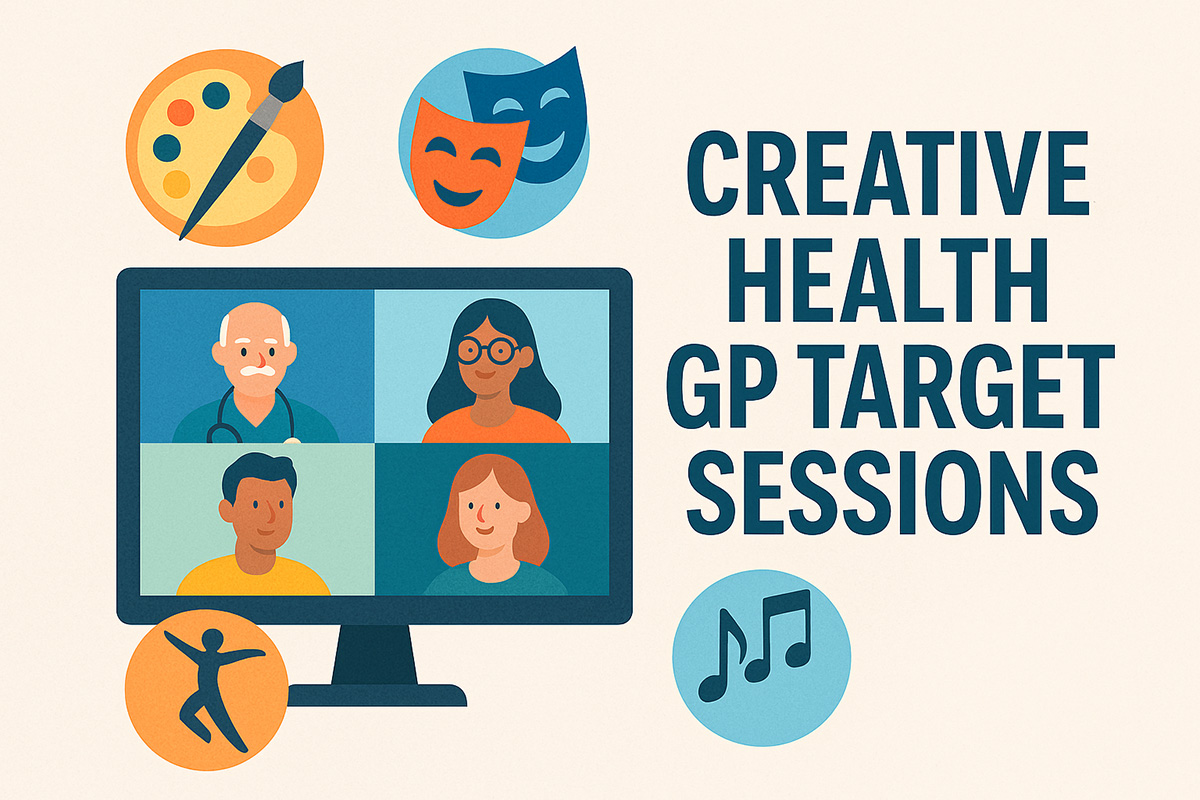
In January 2026, Doncaster’s Creative Health work took an important step forward through two online GP TARGET sessions delivered on 14th and 28th January. Led by Doncaster’s Creative Health Connector, Dave Cartwright, with support from partners across health and the voluntary sector, the sessions brought together around 300 GPs and healthcare professionals to explore how creativity can play a meaningful role in supporting the health outcomes of Doncaster residents.
Each 90-minute session was designed not only to inform but to inspire. The aim was clear:
- to advocate for Doncaster’s growing Creative Health offer
- showcase local projects already making a difference
- and provide practical ways for primary care colleagues to engage with, champion, and refer into creative provision.
Why Creative Health?
Creative Health recognises the role of arts, culture, and creativity in supporting physical and mental wellbeing. From improving mobility and managing chronic pain to reducing isolation and supporting mental health, creative approaches can complement clinical care in person-centred, preventative, and empowering ways.
For busy primary care professionals, the sessions offered both an overview of the national Creative Health movement delivered by Lucy Robertshaw, Director of Creative Health at darts, and a clear picture of what this looks like locally in Doncaster.
Spotlight on Doncaster’s Creative Health Projects
With support from the team at darts, Cast, and Heritage Doncaster, the Creative Health Connector shared examples of established and emerging programmes across the borough, demonstrating how creativity is already supporting people living with long-term conditions.
Feel & Flourish (Chronic Pain)
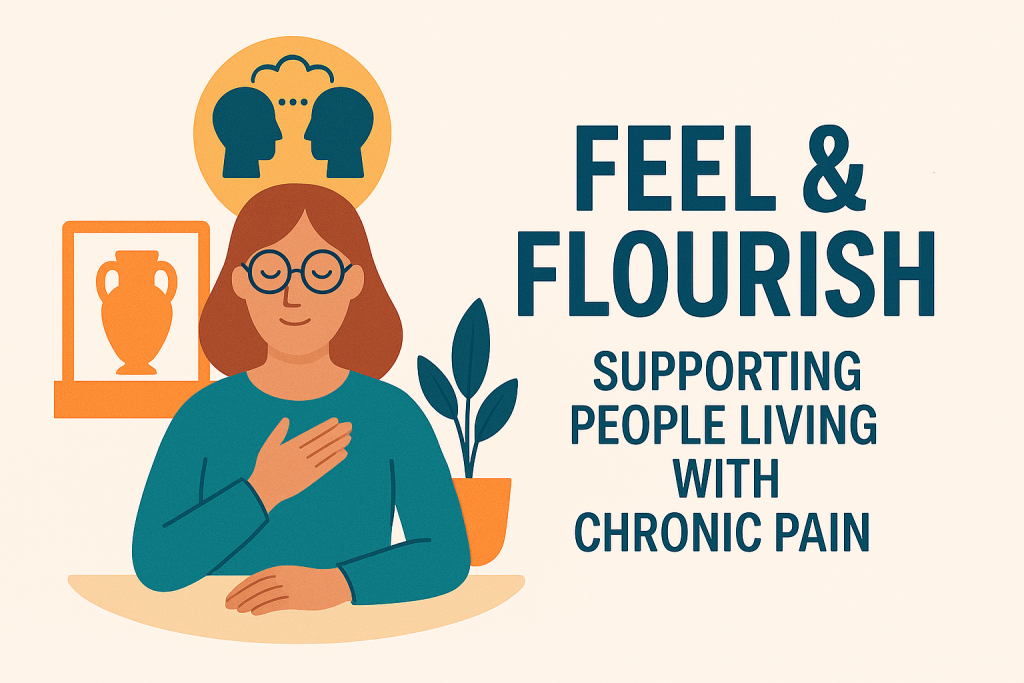
Feel & Flourish, a collaboration between darts and Heritage Doncaster, supports people living with chronic pain through facilitated creative activity, reflection, and peer connection. The programme, which involves light movement, museum object handling, and moments of reflection, provides a safe space for participants to explore their experiences beyond their diagnosis, helping to rebuild confidence, resilience, and social connection.
For patients often navigating complex, long-term symptoms, the impact can be significant: improving mood, reducing isolation, and strengthening self-management strategies.
Dance On
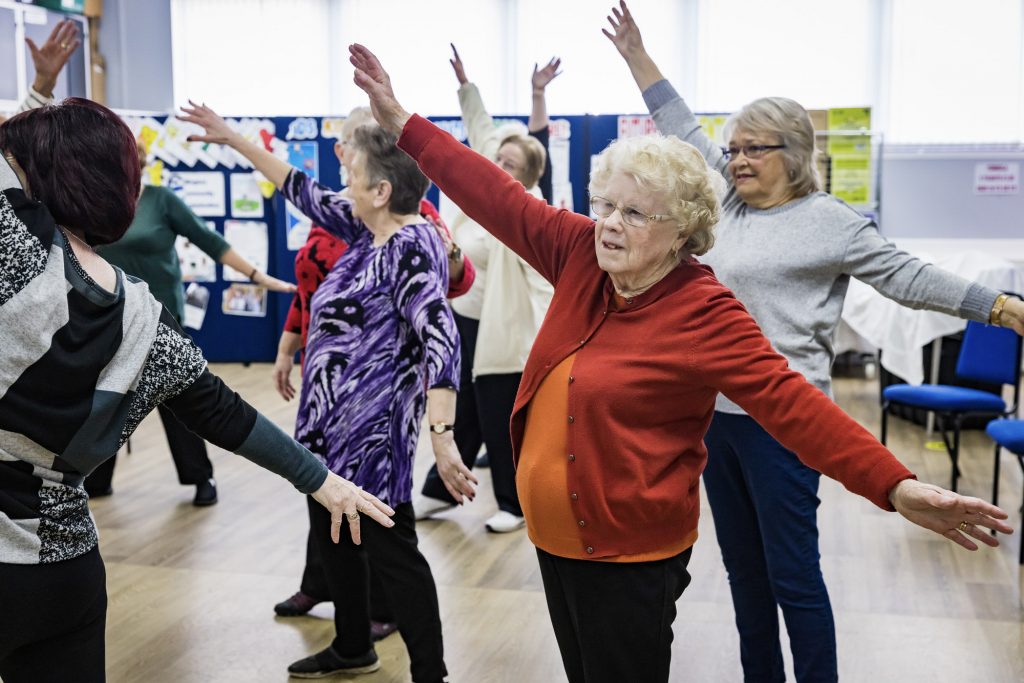
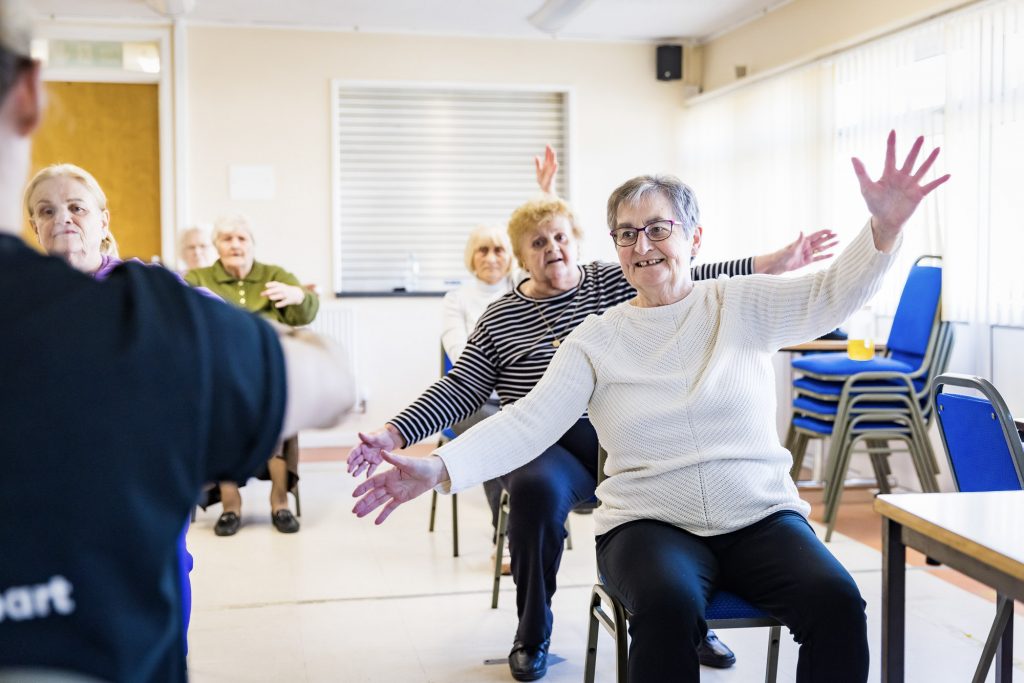
Dance On is an inclusive movement programme, particularly benefiting older adults and people managing long-term health conditions. The emphasis is on enjoyment, accessibility, and social connection rather than performance.
Regular participation supports balance, mobility, and cardiovascular health while building a strong sense of community – a powerful protective factor against loneliness and decline. The GPs were given an insight into Dance On, Dance On Strength and Balance, and Dance On for Parkinson’s.
Doncaster People’s Theatre
As a community theatre company, Doncaster People’s Theatre offers opportunities for local people to engage in performance, storytelling, and creative collaboration. The benefits extend far beyond the stage:
- participants frequently report increased confidence
- improved communication skills
- and a stronger sense of belonging.
For individuals living with anxiety, depression, or long-term health conditions, the opportunity to be part of a creative ensemble can be transformative.
Bringing Lived and Professional Experience into the Room
A key feature of both sessions was the inclusion of two live interviews, which grounded the discussion in both professional insight and lived experience.
The first conversation brought together the Creative Health Connector, Sophie Barley (Social Prescriber for 4Doncaster PCN), and Nabeel Alsindi (GP and Medical Director, NHS South Yorkshire ICB). Together, they explored how Creative Health aligns with personalised care, the role of social prescribing in connecting patients to community-based provision, and the strategic importance of embedding creative approaches within local health systems.
Nabeel spoke of GPs’ attempts to ‘move the conversation away from [medical] prescription’ and towards other types of intervention. He described patients sometimes feeling ‘fobbed off’ if medication is not the immediate suggestion and mentioned the ‘resistance’ he and colleagues have met when trying to ‘look at it from a different point of view.’ However, Nabeel also emphasised the need for both patients and professionals alike to try Creative Health activities, stating, ‘you don’t really know that you’re someone who likes something until you’ve given it a go.’
Sophie echoed Nabeel’s experience of patients ‘expecting to be prescribed [medication].’ Having worked closely with the Creative Health Connector, Sophie was able to share examples of referrals from GPs through social prescribing that have resulted in individuals who have ‘gone for it,’ ‘stuck with it,’ and ‘now swear by it.’
This discussion highlighted the growing recognition at both practice and system level that non-clinical interventions can play a vital role in prevention, long-term condition management, and reducing health inequalities, while also recognising the ongoing barriers that GPs and patients face in understanding, communicating, and accessing this work.
The second interview featured the Creative Health Connector in conversation with Christine Bows, participant of Doncaster People’s Theatre and retired NHS Orthopaedic Nurse Specialist. Christine spoke powerfully about her lived experience – both as a healthcare professional and as someone engaging in creative activity herself.
Her reflections illustrated the human impact of Creative Health: the rebuilding of confidence, the restoration of identity beyond the ‘dive into the unknown’ of retirement, and the profound value of connection and shared creativity. Hearing directly from someone who understands the NHS from the inside, while also experiencing the personal benefits of creative participation, brought authenticity and depth to the sessions. Christine spoke of her own struggles, stating, ‘…it’s a bit like a bereavement, to be honest. At times you think you planned for it, but you actually haven’t. So it was quite difficult for me, and moving to an area of the country – well certainly Doncaster – where I didn’t actually know anybody.’ She then went on to talk about how the Doncaster People’s Theatre has helped her ‘navigate that quite difficult time,’ while offering a whole host of other personal benefits, from friendships to increased confidence.
Christine also spoke to the unique position she occupies, claiming, ‘once you’re a nurse, you never really get away from [observing people’s health].’ With this in mind, Christine explained to attendees some of her observations and conversations with other participants at the People’s Theatre. From learning lines supporting participants’ memory and speech, to physical warm-ups and games resulting in marked improvements in individuals’ mobility, to the ‘family’ atmosphere enabling neurodivergent members the time and space to forge important social bonds – Christine illustrated the breadth of impact. She finished by describing the Doncaster People’s Theatre and Creative Health in Doncaster using three words: ‘open, generous and brave.’
Supporting Healthcare Professionals Themselves
In addition to focusing on patient referral pathways, the sessions encouraged healthcare professionals to consider how creative engagement could support their own wellbeing. With pressures across primary care continuing to mount, the importance of restorative, community-based activity for staff was recognised as part of a broader workforce wellbeing conversation.
Creative Health was framed not as an ‘add-on,’ but as part of a holistic ecosystem of support – benefiting patients, practitioners, and the wider community.
Strong Engagement and Ongoing Conversations
Both sessions were very well received, generating thoughtful discussion and follow-up conversations about how to strengthen localised and borough-wide Creative Health support for people living with ill health.
Attendees of the session were provided a range of ways to continue to engage with Doncaster’s Creative Health offer including Accurex templates, working more closely with the Creative Health Connector, attending Creative Health projects including the Creative Health Conference in May 2026 and identifying opportunities within their own practices to implement Creative Health offers.
Importantly, the dialogue did not stop when the webinars ended. The events have sparked continued exploration of how creative provision can be embedded more systematically into pathways for chronic pain, mental health, and long-term condition management, and how partnerships between primary care, voluntary organisations, and cultural providers can be deepened.
Bringing together around 300 healthcare professionals across the two dates demonstrated a clear appetite within Doncaster’s primary care community to think differently about health and wellbeing, with one GP commenting that Creative Health ‘helps patients get better and lead better lives, which is what we want for them – to lead better lives,’ and another stating, ‘this is definitely a session that stands out.’
The GP TARGET sessions marked not just a moment of advocacy, but a step towards creativity being embedded in healthcare pathways, positioning Creative Health as an increasingly recognised and valued part of Doncaster’s approach to helping people live well.