Tash Cullen, PhD student at Sheffield Hallam University, focusing on the LGBTQ+ community and their access to Creative Health.
In October, I began my PhD at Sheffield Hallam University where I am researching Creative Health. As an area, Creative Health is gaining increasing interest. The All-Party Parliamentary Group for Arts Health and Wellbeing (APPGAHW) has produced two reports sharing strong evidence of how creativity can improve health by helping people to stay well, get better faster and manage their long-term health conditions. Not only does Creativity help health but it also has a positive impact on wellbeing, quality of life and belonging.
The APPGAHW reports highlighted the benefit of the arts for health. These benefits, whilst providing great value, aren’t accessible for everyone. Often Creative Health is not catered towards those from underrepresented groups who are more likely to experience ill-health, lower wellbeing and difficulties belonging. These groups need tailored work to help them to access Creative Health and the benefits it brings.
For my research, I am focusing on the LGBTQ+ community and their access to Creative Health, known as ‘Queer Creative Health’. This research aims to explore how Creative Health can strengthen community connectedness, health and wellbeing in LGBTQ+ groups.
One of the most notable examples of Queer Creative Health is the AIDS Memorial Quilt where communities created quilt panels to remember those who died from AIDS. Not only does this quilt serve as a memorial, but also as a way to educate, advocate and come together as a community to process the loss of loved ones through the arts.
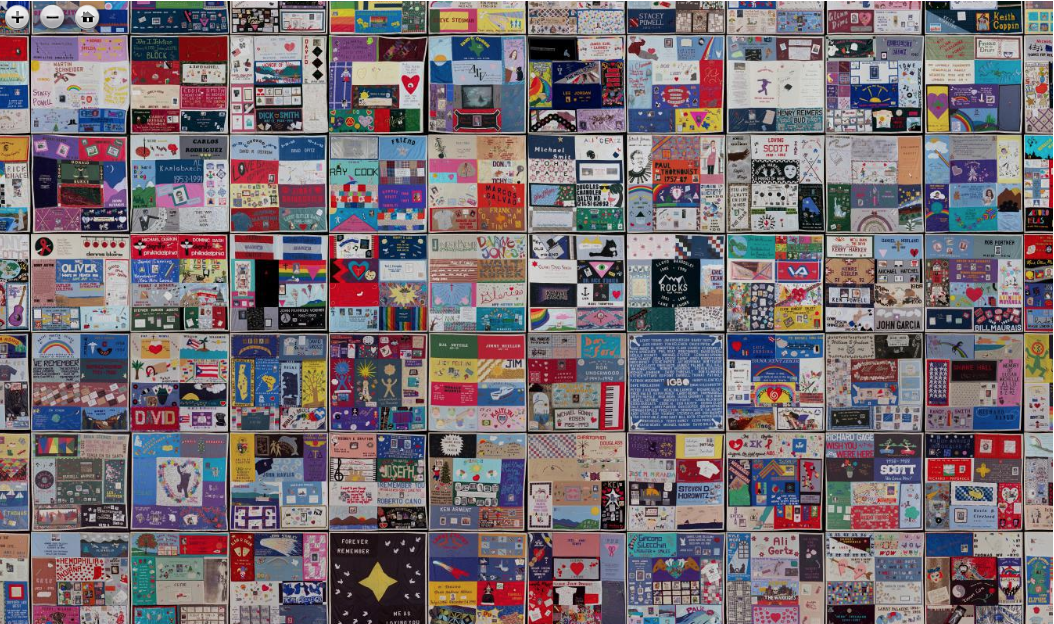
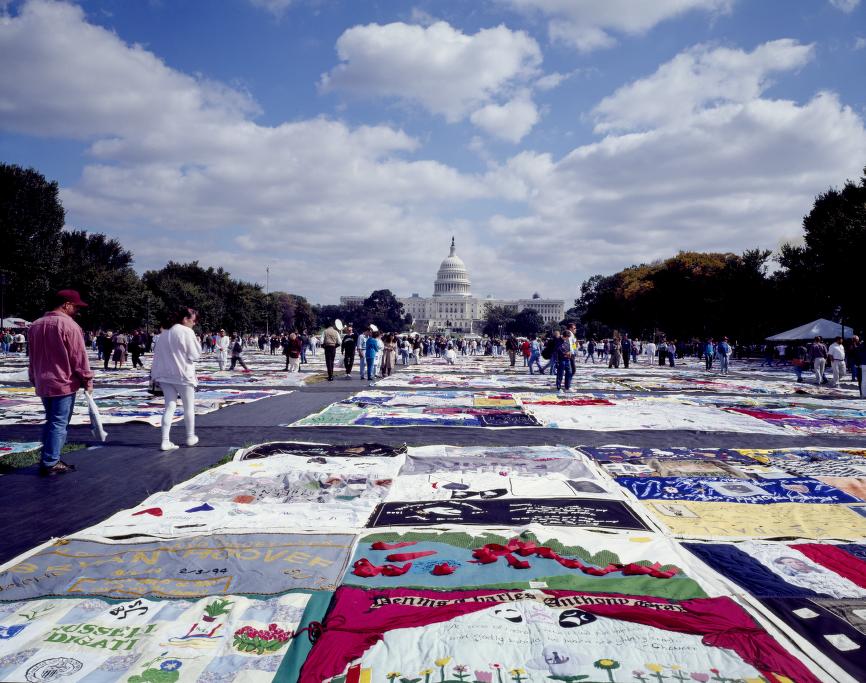
The AIDS Memorial Quilt is one prominent example, but creativity has long been a part of queer life, activism and self-expression. Despite this creativity is not embedded in terms of Creative Health, with LGBTQ+ communities not accessing the benefits of Creative Health. Like other underrepresented groups, individuals from the LGBTQ+ community face problems with their health, wellbeing and experiences of belonging. Traditional health services do not meet the unique needs of LGBTQ+ individuals who experience discrimination in accessing healthcare, as well as increased difficulties with their physical and mental Health. In the APPGAHW reports, a need was expressed for equal access to Creative Health. However, these reports did not show how equal access can be achieved, with no references made to best practice, Queer Creative Health or the unique difficulties in health, wellbeing and belonging faced by LGBTQ+ individuals. There have been recent changes in the UK related to LGBTQ+ rights, public attitudes and the number of LGBTQ+ safe spaces. This, as well as a suggestion for more work on exploring acceptance and liberation for LGBTQ+ individuals within their local communities, shows the need for Queer Creative Health interventions and a need for them to be done right.
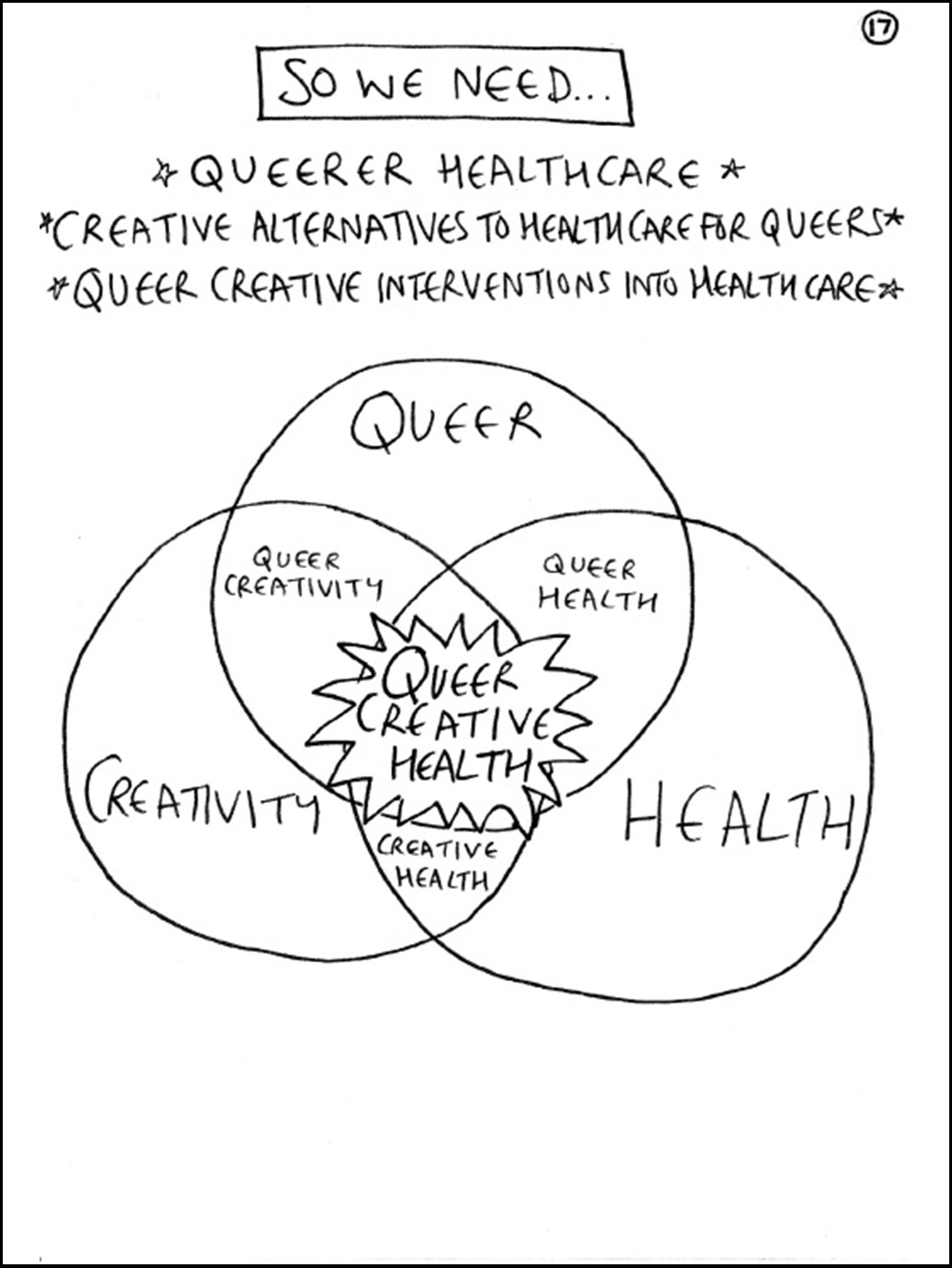
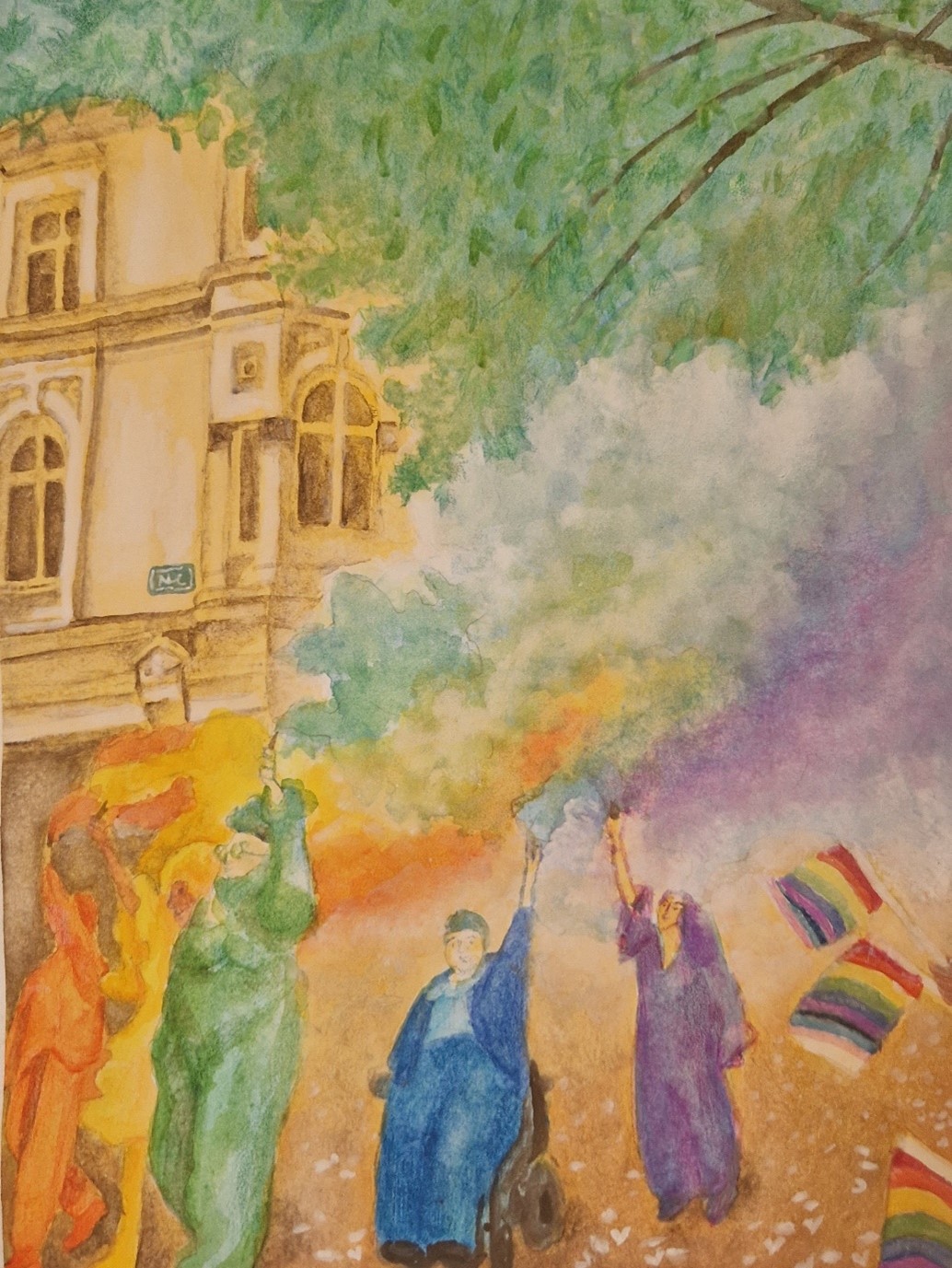
Large numbers of the LGBTQ+ community have a historic distrust of research. To work on Queer Creative Health in an ethical, impactful way, it is necessary to engage directly with community groups. Best practice guidelines share the importance of co-production and participatory research. Working directly with members of the LGBTQ+ community allows them to have a say in what research should be done and how. I aim to embed co-production throughout my research process: in developing my research aims, designing the Creative Health interventions conducted and deciding ways to disseminate my results. By co-producing, this research will help fill the need for equal access to Creative Health, allowing more individuals to benefit from it. Currently, I am building connections across the LGBTQ+ community to establish an advisory group. I am also delving into the existing work on Creative Health, Queer Creativity and co-production. Through these activities, I hope to build knowledge of what is happening, what needs to happen and ways to help it happen, gaining insight into potential barriers to Queer Creative Health.
In the future I will conduct participatory Creative Health workshops, designed and ran by and for the LGBTQ+ community. Through this communities will develop connections, skills and resilience along with benefits to their health, wellbeing and experiences of belonging which should persist past the completion of this research. Reflecting upon these workshops will help me to see what-works in Queer Creative Health, producing guidelines for future Queer Creative Health work and policies. It will allow the voices of those seldom heard to be included within research and for communities to inform future activities, research and policies related to Queer Creative Health.