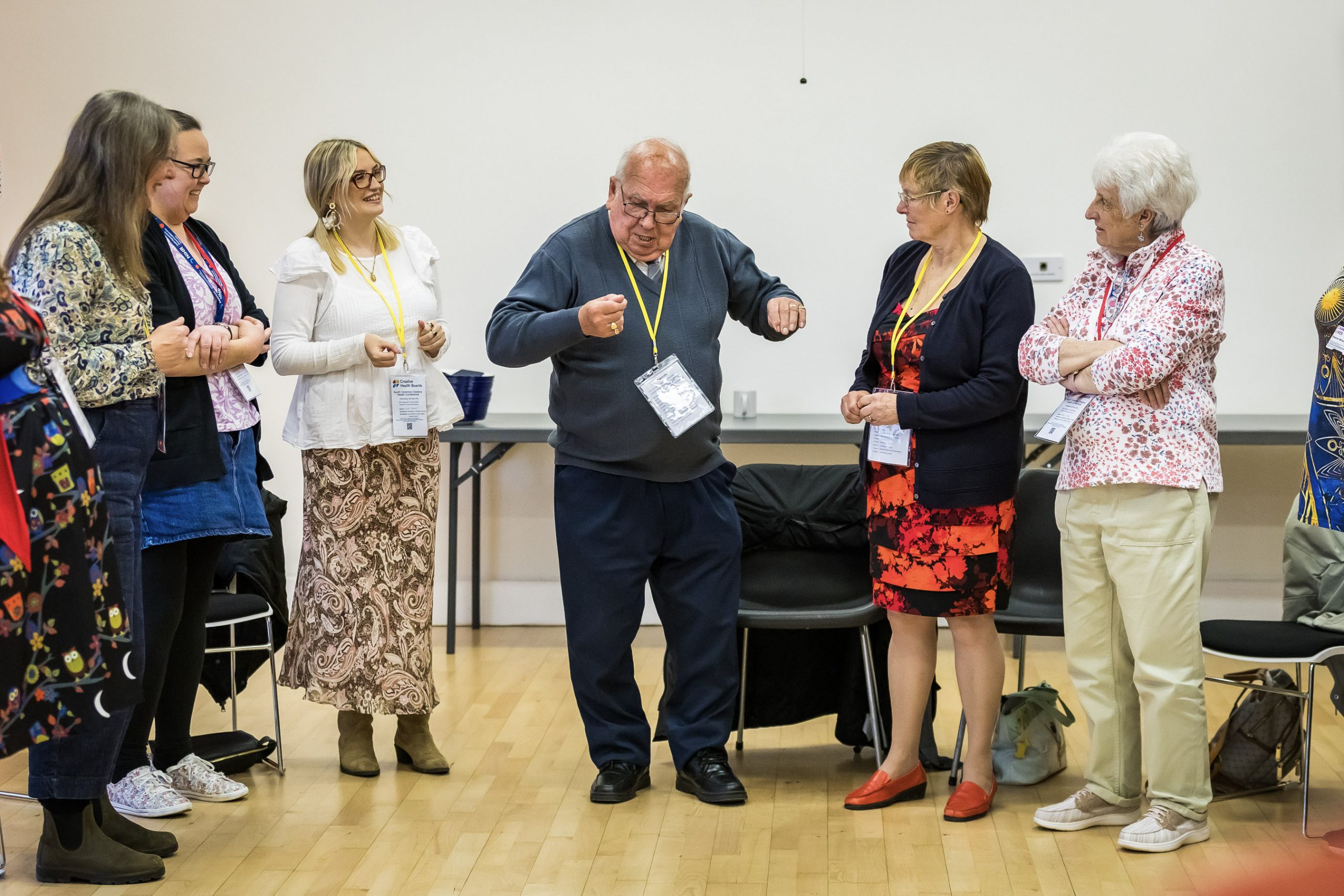
Dave Cartwright, darts Creative Health Connector.
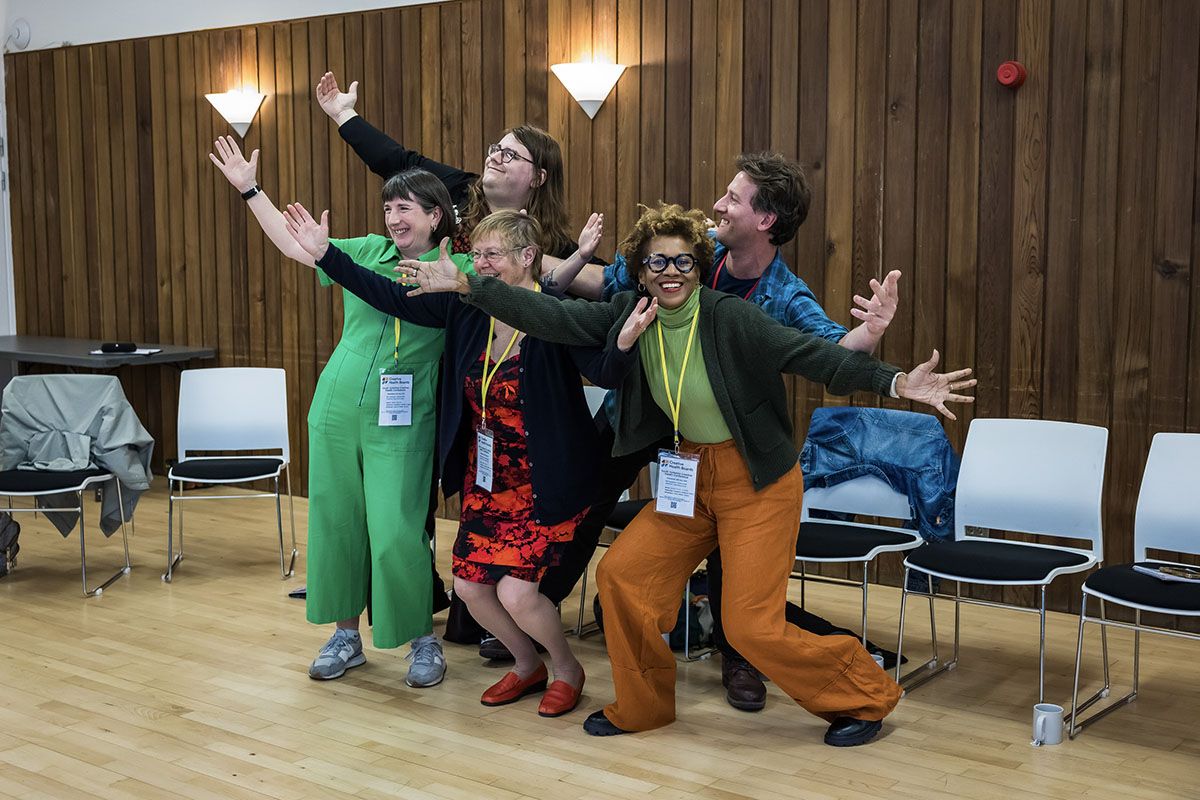
‘The Art of General Practice’ returned on 19th May 2026 at the Best Western Mount Pleasant Hotel Conference Centre, bringing together first-year GP trainees from across Doncaster and Bassetlaw for an afternoon focused on Creative Health in practice.
Delivered by the Creative Health Connector, the training explored how creative and cultural approaches can contribute to patient wellbeing, prevention and recovery alongside more traditional healthcare pathways.
At the beginning of the session, trainees were asked a series of questions designed to explore their understanding of Creative Health and their own relationship with creativity. Responses revealed that while participants engaged in a broad range of creative activities in their personal lives, from painting and singing to video gaming and ‘babbling with baby,’ awareness of Creative Health as a recognised healthcare approach remained low.
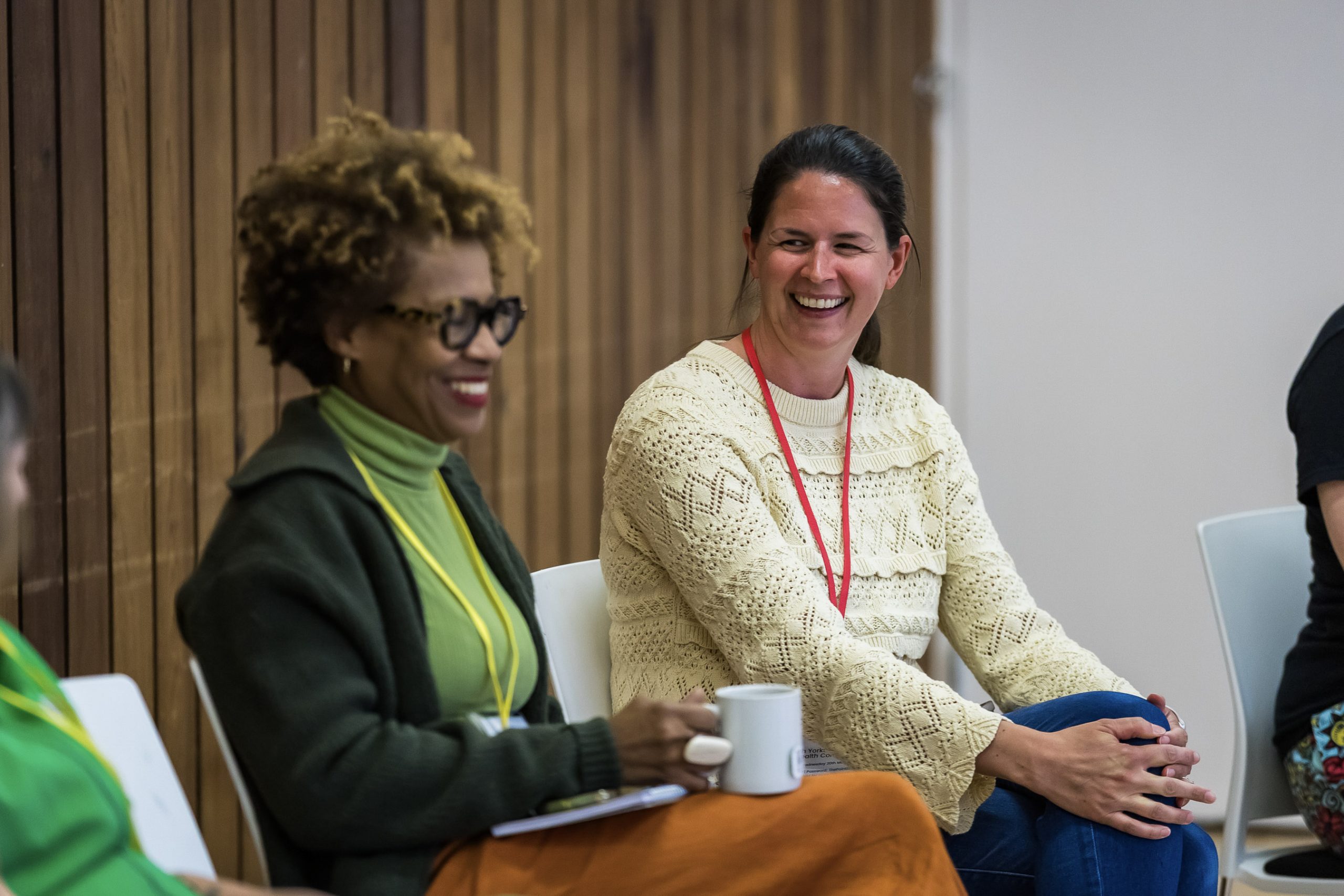
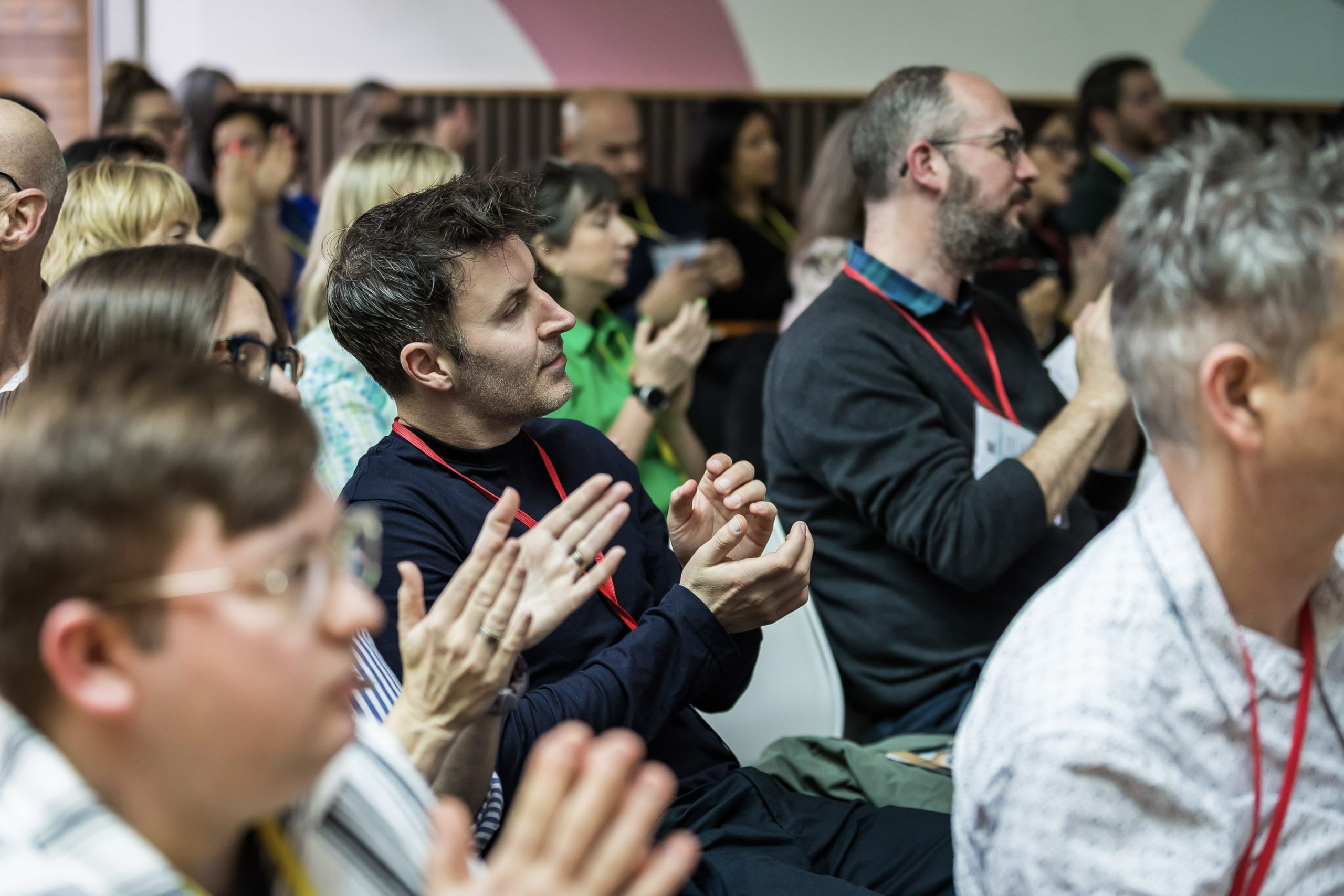
When asked whether they were familiar with the term ‘Creative Health’, 80% of trainees said no, while only 10% answered yes and a further 10% reported knowing ‘very little’. Similarly, when asked how Creative Health might play a role in patient care, many initially responded with answers such as, ‘I don’t really know’ and ‘no idea’.
The training was designed to build confidence in exactly these areas. Rather than relying solely on presentations, the day centred around discussion, practical examples and reflection on how creative and cultural activity can support patients experiencing social isolation, poor mental health and long-term conditions.
Drawing on reports and recommendations from organisations including the NHS, Public Health England, the World Health Organisation and the APPG for Creative Health, trainees explored how arts and culture are increasingly being recognised as part of a preventative, person-centred approach to healthcare.
Working alongside GPs Rachel Hubbard and GP Registrar Ragunath Ramachandran, participants examined a series of clinical ‘spotlights’ linking Creative Health approaches to real-world patient need. Spotlights included long-term health conditions, trauma-informed mental health practice and Early Years support.
Examples from across Doncaster highlighted how local programmes are supporting people living with dementia, Parkinson’s, chronic pain and breathing pattern disorders, while also reducing social isolation and improving confidence, mobility and wellbeing.
Mental health and trauma-informed practice formed a significant part of the session. Using the work of Judith Herman as a starting point (see embedded researcher Clair Maleney blog ‘Not Just Health, but Healing: Understanding the Role of Creative Health in Trauma Recovery’ here) the trainees explored how creative spaces can support safety, trust, belonging and emotional regulation. Trainees were encouraged to consider how these approaches might complement clinical interventions and support people at different points in their mental health journey.
The trainees were also encouraged to think about the range of ages of patients they come into contact with. When reflecting on the Early Years support provided through projects like Tuneful Chatter and Hello Baby, the students were encouraged to think about key touchpoint where they might encounter specific groups who may benefit from specific projects. In this case the six week check up was identified as the perfect moment to signpost Creative Health programmes to appropriate patients.
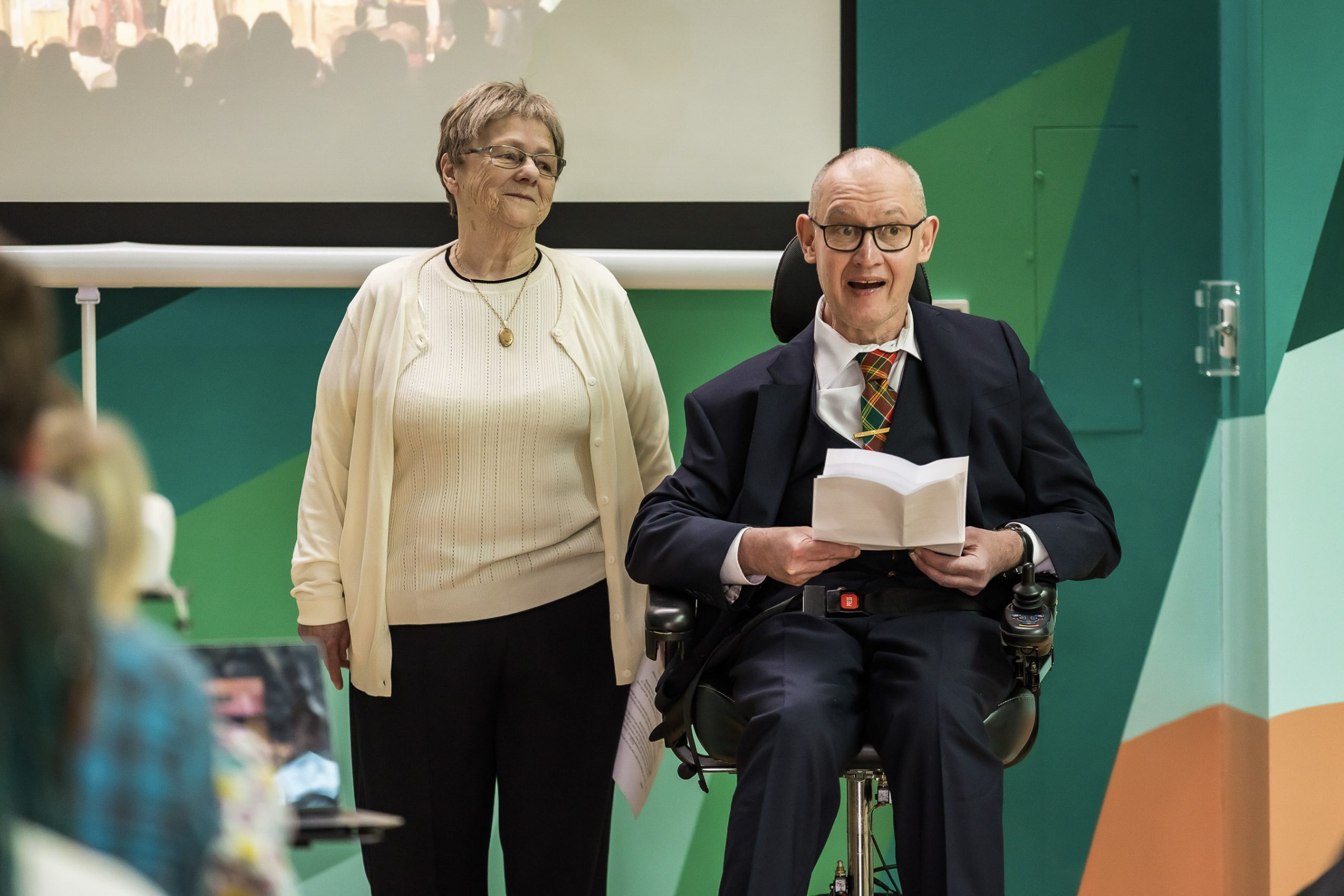
Feedback gathered at the end of the session demonstrated a significant shift in both understanding and confidence. When asked whether they could now explain what Creative Health is and its role in patient care, 59.1% of participants strongly agreed and 40.9% agreed.
One trainee reflected:
‘Creative health involves use of non-medical measures such as art in prevention, promotion and management of illness across the lifespan.’
Another wrote:
‘I always believed there should be something more than medicine for patients and creative health provides this option.’
Confidence in identifying patients who may benefit from Creative Health approaches also increased, with 95.4% of trainees either agreeing or strongly agreeing that they now felt able to recognise suitable patients.
Participants commented:
‘I have certain patients who I can signpost to this especially with chronic pain.’
and
‘I feel confident now to discuss with my patients that I feel will benefit from this.’
While feedback was overwhelmingly positive, some trainees also reflected on areas where they would have welcomed further development. A small number expressed uncertainty about how easily Creative Health approaches could be embedded into everyday practice, particularly where patients may expect medication or more traditional medical interventions.
The Creative Health Connector observed that although confidence was up and awareness had been given, more work is to be done on how Creative Health is introduced in a GP clinic, the language or script the GPs use and the confidence in the GP to vocalise creativity to their patients as a possible option.
That being said, the session did strengthen confidence around signposting and referral pathways. Half of participants strongly agreed that they felt confident referring patients to Creative Health resources, while a further 40.9% agreed.
One trainee described this as their ‘biggest gain’ from the day:
‘I feel like the NHS has a lot of resources and sometimes we don’t know all of it and even how to access it.’
Another participant noted:
‘The facilitator was excellent in giving us guidance to signpost or referring patients.’
Trainees overwhelmingly recognised the relevance of Creative Health within general practice settings. When asked whether Creative Health has a meaningful role in primary care, 100% of respondents agreed, with over half strongly agreeing.
Responses highlighted growing recognition that healthcare extends beyond medical treatment alone:
‘Mental, physical, spiritual wellbeing are all intertwined.’
‘It would reduce pressure on GPs from social demands which take up most of the presentations.’
‘It can be a good thing to have another option besides medicines.’
The training also encouraged participants to reflect on their own wellbeing and relationship with creativity. More than 86% of trainees agreed or strongly agreed that the session had encouraged them to consider Creative Health for themselves or their families.
Some participants commented that they had not realised how many local opportunities already existed, while others spoke about plans to engage personally with local creative activity:
‘I have just put a date in my calendar to consider attending one creative health event.’
and
‘I live in Doncaster, don’t have many friends here and I am thinking of going there.’
One participant commented:
‘Not sure if I feel confident enough considering patients usually just want meds.’
Others suggested future sessions could include more case studies and opportunities to experience activity directly within Doncaster’s cultural venues and community settings, helping to strengthen understanding of how programmes operate in practice.
When asked about their main takeaway from the day, trainees repeatedly reflected on the importance of looking beyond clinical settings alone:
‘The importance of health outside the four walls of the hospital.’
‘Creative health should be included and part of my practice.’
‘The knowledge that this exists and I intend to use it.’
Overall feedback described the session as ‘very insightful’ and a ‘great experience’, highlighting the value of bringing together healthcare professionals and Doncaster’s cultural sector to explore more holistic approaches to health and wellbeing.
As Creative Health continues to gain recognition nationally, The Art of General Practice is helping future GPs develop a broader understanding of health and wellbeing, one that values creativity, culture and community alongside clinical intervention.
Cite this article:
Cartwright, D. (2026, June 17). The Art of General Practice. Creative Health Boards. https://doi.org/10.7190/chb.2026.4602972612